

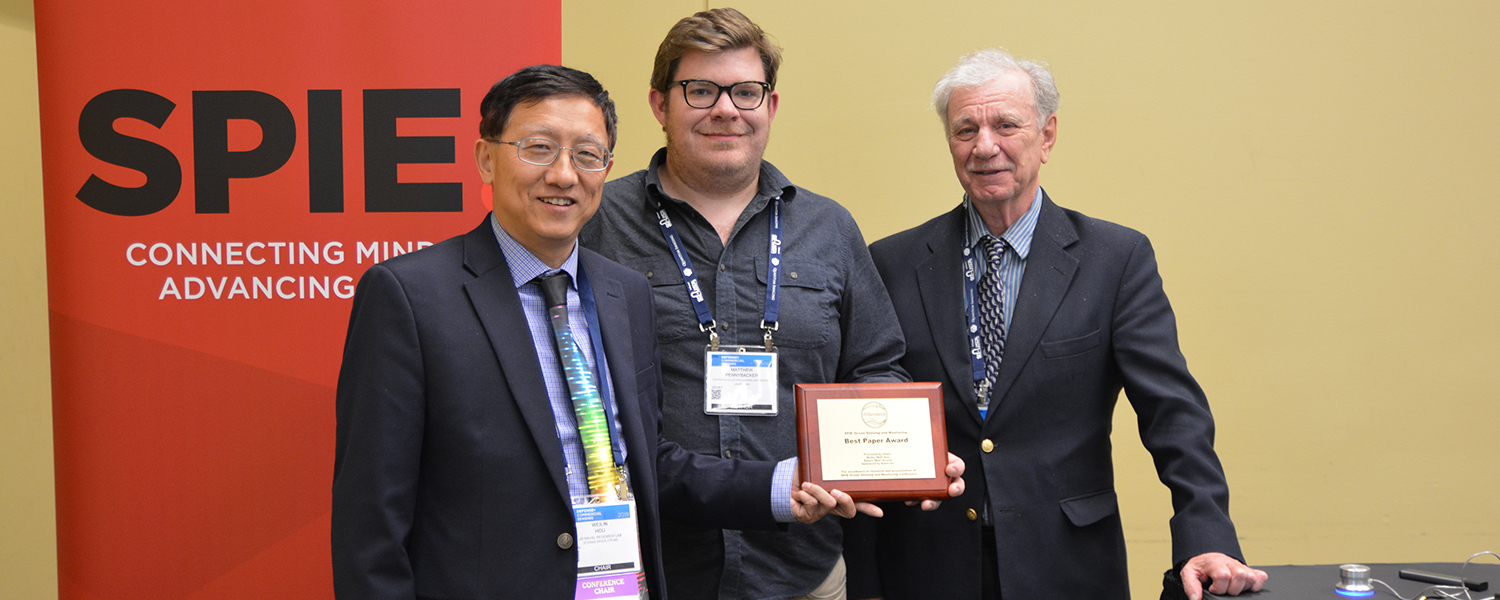
The responsibilities of being conference chair, program committee member, and session chair are crucial to the success of SPIE events, and it is you, our incredible volunteers, who are the true engine of the Society. On behalf of the Board of Directors and the entire staff of SPIE, thank you for volunteering your time and for your dedication—we truly could not do this without you.
Below you'll find information specific for each of these roles as well as links to resources, guidelines and policies. All volunteer leadership roles with SPIE are tasked with maintaining a culture of inclusion and promoting diversity of ideas. If you have any questions or concerns at any point along the way, please don't hesitate to contact your conference program coordinator.
| Submissions due | 5 August 2026 |
| Extended due date for those needing more time | 19 August 2026 |
| Review period | 19 August - 18 September 2026 |
| Programs due from chairs to SPIE | 21 September 2026 |
| Programs published online | 19 October 2026 |
| SPIE sends Acceptance/Rejection notifications to submitting authors | 26 October 2026 |
| Applications OPEN for RFW and conference awards | 26 October 2026 |
| Applications CLOSE for RFW and conference awards | 27 November 2026 |
| RFW finalist selections due fro chairs to SPIE (2 per conference) | 4 January 2027 |
| Conference awards winner information due from chairs to SPIE | 11 January 2027 |
| RFW Overall Winner and Runner-Up selections due from symposium chairs to SPIE | 29 January 2027 |
| SPIE Medical Imaging in Vancouver, BC | 14-18 February 2027 |
Thank you for your leadership on this SPIE event. Review the SPIE conference chair responsibilities and expectations on the SPIE Event Volunteer Guidelines page to update yourself on the volunteer responsibilities and best practices for an SPIE Conference Chair. To learn the particulars of the SPIE conference and proceedings process and how to do the job of chair/editor for SPIE conferences and proceedings, see the Resources for SPIE Conference Chairs page:
Resources for SPIE conference chairs
On the Resources page you will find general information about the conference program building process, ideas about how to build a successful conference and technical community, and other information relevant to your volunteer position with SPIE, including:
Please be sure to review and familiarize yourself with SPIE anti-harassment policy and SPIE meetings code of conduct.
Report unethical or inappropriate behavior: http://www.spie.ethicspoint.com
Interested in teaching a course at SPIE events? Read through the SPIE Instructor Guidelines and consider teaching a technical course for the Society.
The program committee is integral to building a diverse program and is formed by the conference chair(s). A well-structured program committee will have a range of expertise to span the subject areas, including acquaintance with well-established and recognized leaders in the field from academia, government, and industry. To remain on a conference program committee, one must be consistently engaged. Below is a list of tasks and responsibilities for the role of SPIE conference program committee:
Program committee members who are inactive may be rotated off after two or three successive occasions exhibiting negligible involvement, in the interests of efficiency, and to make space for new active committee members.
A session chair plays a key role in ensuring the smooth-running of an SPIE conference. The session attendees will be more engaged if the session chair proactively leads and has done homework in advance about the speakers and their expertise. Below are some helpful guidelines for the role of an SPIE session chair:
After the session ends, notify SPIE staff which presentations were presented and which were not, by submitting the Session Report Form via one of three ways:
For more detailed information on how to prepare for and chair a session, review the instructions for chairing a session on the Resources for SPIE Conference Chairs page.
If you have questions or need more information, contact your Conference Program Coordinator.
