This issue’s theme, “in the dark,” resonates with me in a deeply personal way. My father was diagnosed with Type 2 diabetes in his early 20s. By his 50s, he was legally blind—unable to work, unable to drive—and he spent the next 25 years navigating the world through memory, touch, and sound. He adapted with remarkable resilience, but I often find myself wondering how different his life might have been if the optical technologies we have today had existed when he was first diagnosed.
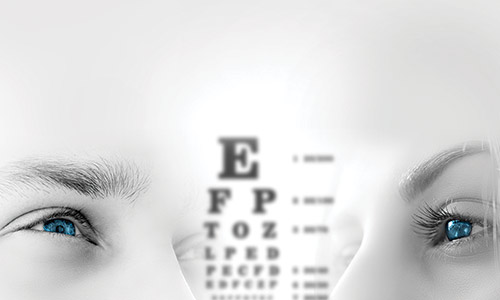
His story is not unique. Diabetic retinopathy remains one of the leading causes of vision loss among people with diabetes, and it often progresses silently. High blood sugar damages the delicate blood vessels in the retina, setting off a cascade of changes that may go unnoticed until vision is irreversibly affected. The disease advances through well-defined stages, each stage bringing an increased risk of vision loss. By the time symptoms appear, patients may already be experiencing patchy vision loss and require interventions such as laser therapy to preserve what sight remains.
This is why regular eye examinations are not just recommended—they are essential, especially at the time of diagnosis for individuals with Type 2 diabetes. Early detection and consistent monitoring can dramatically alter the trajectory of the disease. We know the risk factors: poor glycemic control, hypertension, and longer disease duration. But knowledge alone is not enough; it must be paired with access to care, patient awareness, and technologies that allow clinicians to detect and treat disease earlier and more effectively.
That is where optics—and the ability to “see in the dark”—becomes transformative. The stories in this issue explore how optical science reveals what is otherwise hidden, whether in distant galaxies or within the human body. In my own work, this theme takes shape through adaptive optics ophthalmoscopy, a technology that enables imaging of the living human retina at single-cell resolution. These systems correct for optical aberrations in the eye, allowing us to visualize cellular structures in ways that were unimaginable just decades ago.
Through collaborations with colleagues at the University of Rochester’s Center for Visual Science and Stanford’s Byers Eye Institute, our teams are working to improve the optical engineering of these instruments—enhancing their resolution, expanding their functionality, and ultimately making them more powerful tools for diagnosing diseases such as glaucoma and diabetic retinopathy. Our graduate students are at the forefront of this effort, pushing the boundaries of what these systems can reveal.
For patients like my father, earlier detection and better imaging might have meant earlier intervention, slower progression, and perhaps a different outcome. While we cannot change the past, we can shape the future. Advances in optical technology are bringing us closer to a world where vision loss from diseases like diabetic retinopathy is no longer inevitable, but preventable.

Julie Bentley
2026 SPIE President