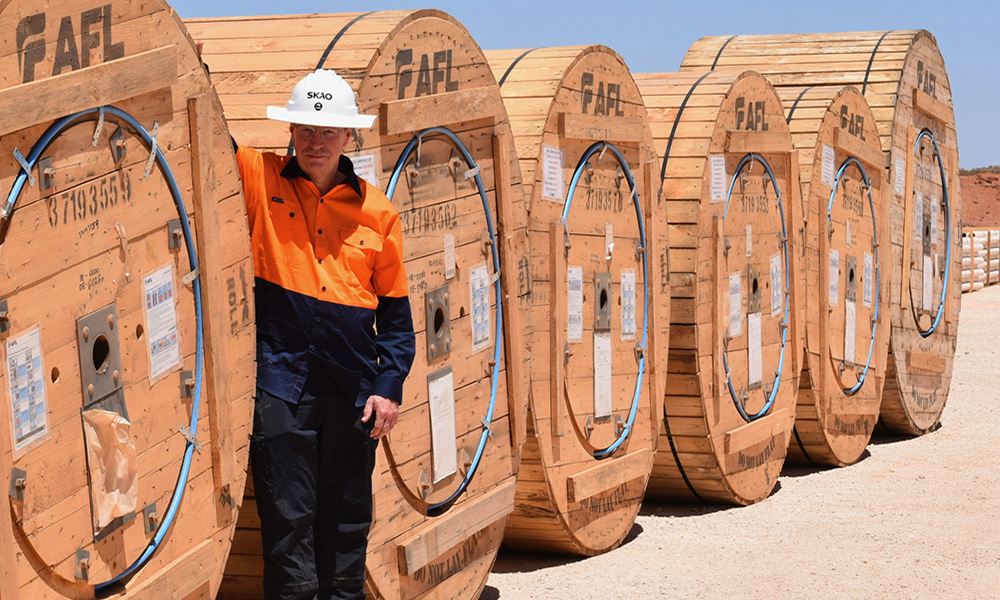
“SPIE events offer a supportive environment, and they are a great opportunity to meet colleagues, exchange ideas, and learn from others.” — André van Es, SKA-Low Telescope Engineer at the SKA Observatory
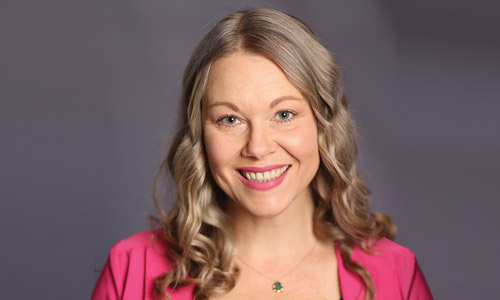
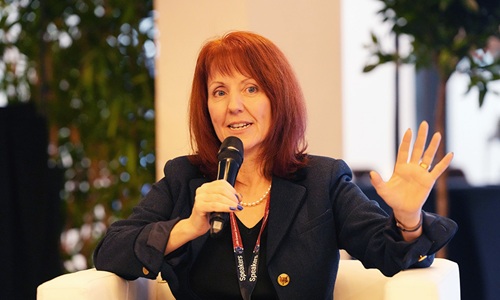
André van Es is the SKA-Low Telescope Engineer at the SKA Observatory (SKAO) overseeing the construction and technical integration of the low-frequency phased array in Western Australia. A veteran of the project since 2004, André previously served as Sr. Project Manager for SKA-Low, Project Manager for the LFAA Consortium and Engineering Manager for Signal and Data Transport (SADT). At his Astronomical Telescopes + Instrumentation plenary, “The SKA Telescopes in Construction: Building a Next-Generation Observatory,” on 9 July, he will be providing a technical update on the SKA Observatory’s transition from infrastructure development to operational verification, including the first call for community-driven Science Verification ideas in 2026.
You have vast experience in international project coordination. What interpersonal or practical skills can benefit coordinating a project, whether it’s across the globe or within one lab?
First thing I think of is understanding the partners in the project and knowing who you need for the different issues. For all of that, face-to-face contacts are essential as, in the end, solutions or answers come at an individual level. I also learned a lot from visiting the different institutes, universities or companies involved. It gives a good understanding of the local culture, and this makes contact so much easier.
Next, put essential milestones on the plan as early as possible, as this will allow you time to find solutions for potential blockers.
Finally, especially in collaboration projects, it is important to get a good feel for the strengths and weaknesses of everyone involved. Then you can design the outcomes in line with the strength of each team and use expertise available within the project to assist with the high-risk deliverables.
When you encounter an obstacle or unexpected roadblock during a project, what is your process for working through it?
The one thing you shouldn't do is ignore it. In the beginning of my career, I always hoped the roadblocks would disappear once we arrived at them, but I’ve learned the hard way to differentiate between hope and optimism. Optimism is based on knowledge, while hope is an expectation. Now I take problems head-on. I will walk around the problem, usually with a team to collect a number of views, and develop a strategy that depends on the nature of the roadblock.
You’ve mentioned that a challenge with SKA-Low is the extensive timeline and keeping everyone engaged and enthusiastic throughout that timeline. You have been involved since 2004. How do you keep yourself engaged and enthusiastic?
My first thing is to have an intrinsic motivation. Working for astronomy and radio astronomy, in particular, is very motivating as it has a large appeal to the public. Plus, the science community in radio astronomy is motivating to work with. Next to that it is important to have a variety of work. Finally, someone on your side who is there to support you is important. Marit, my wife who I met in 2009, has always done that.
The SKA Observatory is a success story of massive undertaking that arose from a tiny seed of an idea. What advice would you give to someone with an idea or theory of this scale, but who is overwhelmed at the vastness of the project and doesn’t know where to begin?
It is important to stick to your beliefs and work on an ever-increasing group of enthusiasts that share the same dream. Start small, create a consistent message that includes a large range of stakeholders, and don't give up.
You have presented at Astronomical Telescopes + Instrumentation since 2018. What advice would you share with someone who is presenting at an SPIE event for the first time?
For the first SPIE presentation, I would offer advice similar to that of working on a small project. Treat it as a collaborative effort: start early, involve your co-authors, and use their perspectives to strengthen both the paper and the presentation. Working together not only improves the content but also makes the process more manageable, especially if this is your first time.
It is also helpful to keep a close eye on the deadlines. SPIE timelines can come around quickly, and planning ahead reduces stress. But even with all the preparation last-minute changes are very common, even for experienced presenters. That is simply part of the process.
Most importantly, take the time to enjoy the conference. SPIE events offer a supportive environment, and they are a great opportunity to meet colleagues, exchange ideas, and learn from others. For many first-time presenters, this can be just as valuable as the presentation itself.
What value have you found in presenting at SPIE conferences?
I met a lot of my future SKAO colleagues at these meetings, and astronomers and engineers I later consulted on some of my technical challenges. This is a place where you can share with others similar projects, all trying to deliver excellent science. You can learn from these projects, you can look forward to new opportunities and lay down the seed for future projects. Overall, I am always impressed by the technical depth and enthusiasm at the conferences.
What is the best piece of advice you have received in your career?
The best advice was from Arnold van Ardenne who was Director of R&D at ASTRON (Netherlands Institute for Radio Astronomy) when I started there. He always noticed I had a broad range of topics of interest, and I still have: music, philosophy, astronomy, and politics. He said if you really are serious about achieving something, focus on the one thing and go for that. You may fail but then you can never say you haven't tried. That brought me to the UK together with my lovely wife, my work for SKAO as the Senior Project Manager of SKA-Low for 7 years, and now the Telescope Engineer.